
News
How to Fit a Fire Helmet with an SCBA
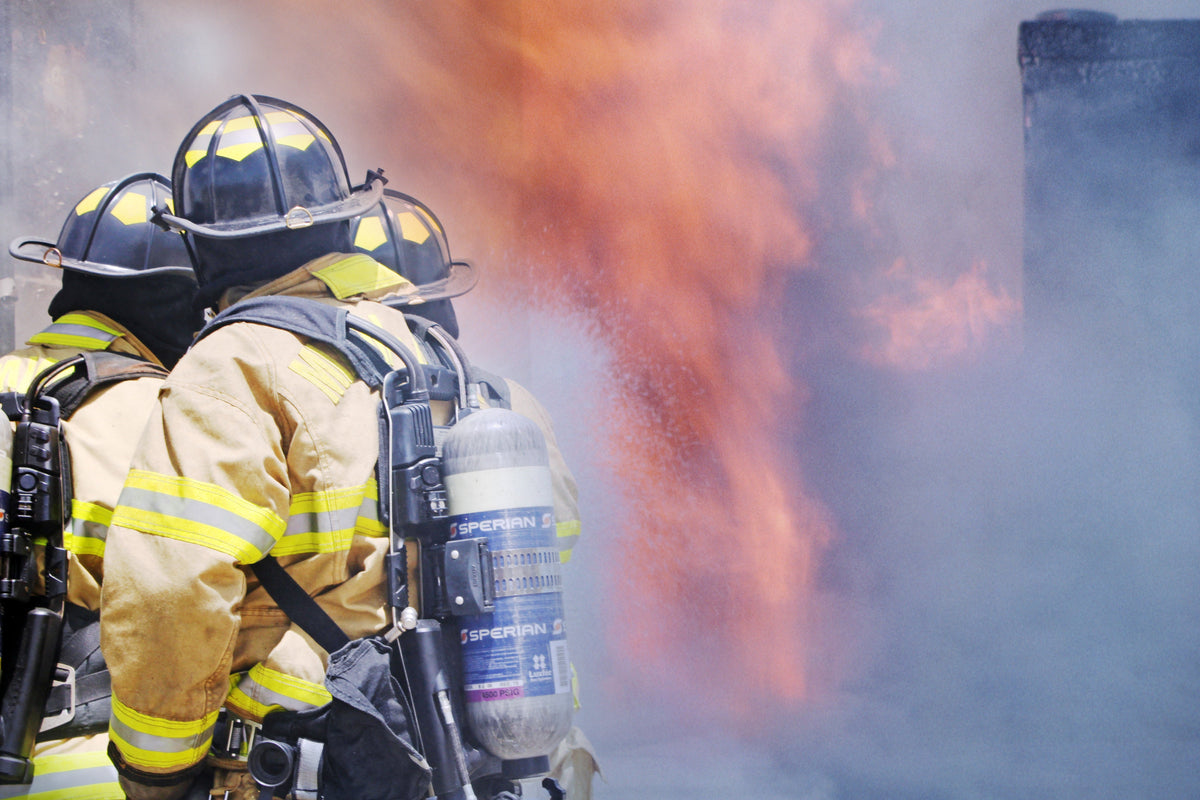
A fire helmet fits correctly with an SCBA when it sits level and low on the head, the chin strap holds without pressing on the throat, and the fron...
Bullard Fire Helmet Comparison: UST LowRider, LTX, USRX, PX, and FX
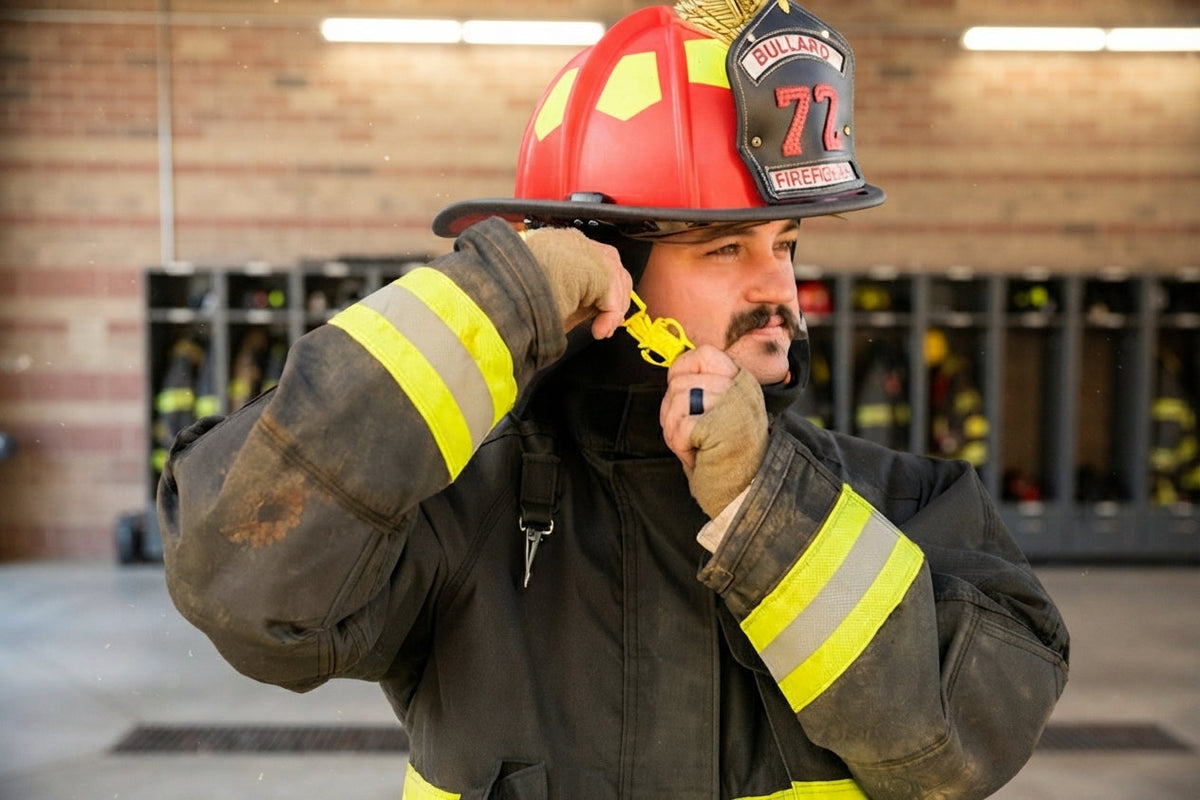
Bullard builds five structural fire helmets. The UST LowRider is the traditional-style option, the LTX and PX are contemporary low-profile helmets,...

Fire Helmet Accessories and Replacement Parts: What Wears Out First
Fire helmet soft goods fail first, usually within two to four years. The ear and neck protector, comfort system, and chin strap absorb the heat, sw...
NFPA 1970 vs. NFPA 1971: What Changed for Fire Helmets
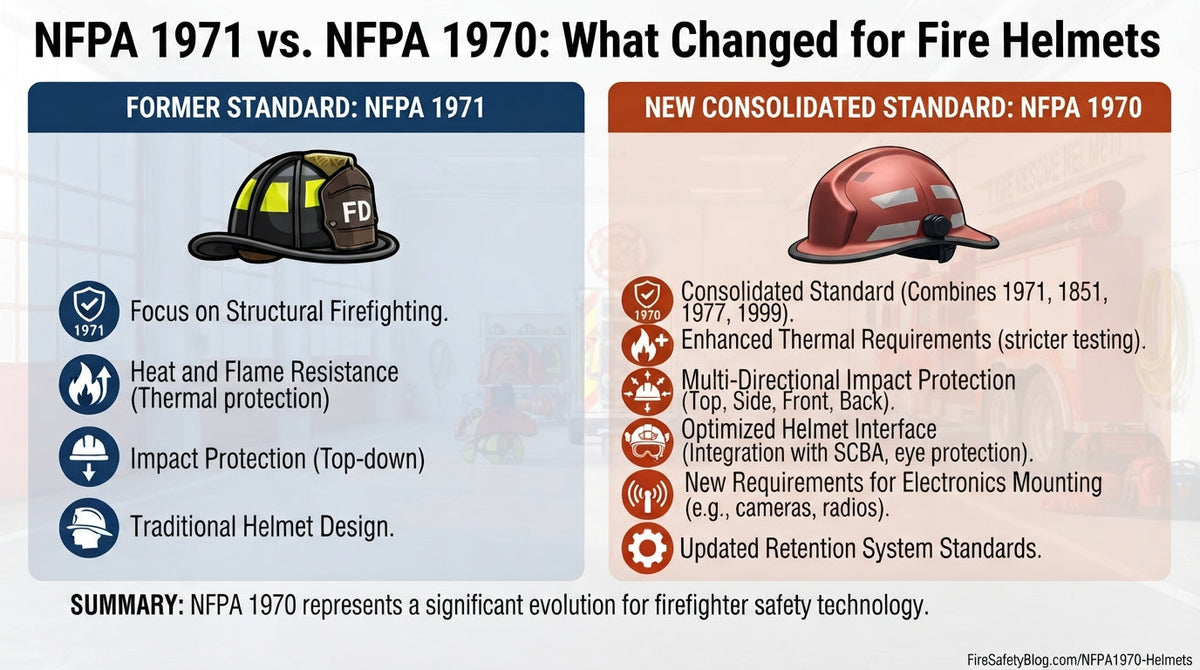
NFPA 1970 replaced NFPA 1971 as the product standard for structural firefighting helmets. The consolidated standard took effect September 18, 2024,...
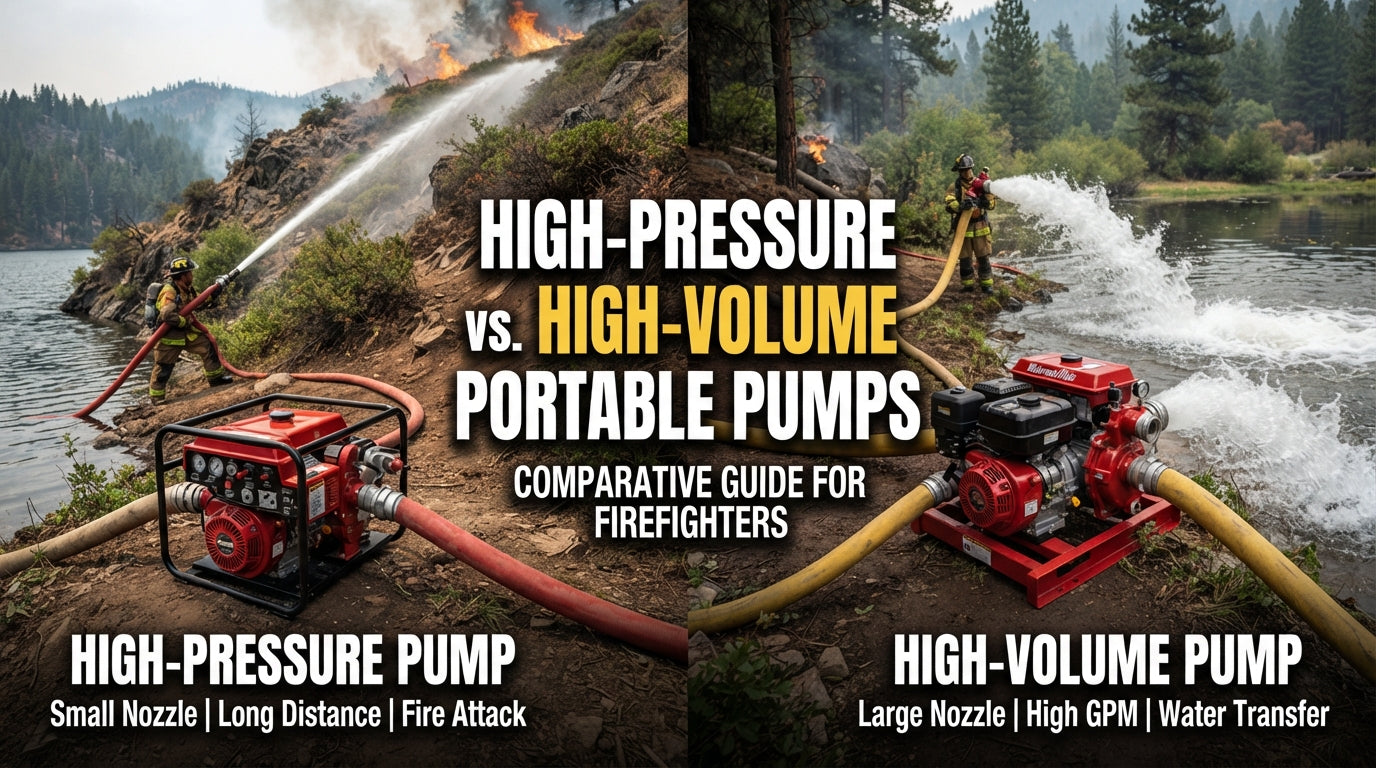
High-Pressure vs. High-Volume Portable Pumps: Which Does Your Department Need?
A high-pressure portable fire pump is engineered to push water through hose at higher PSI. A high-volume portable fire pump is engineered to move a...
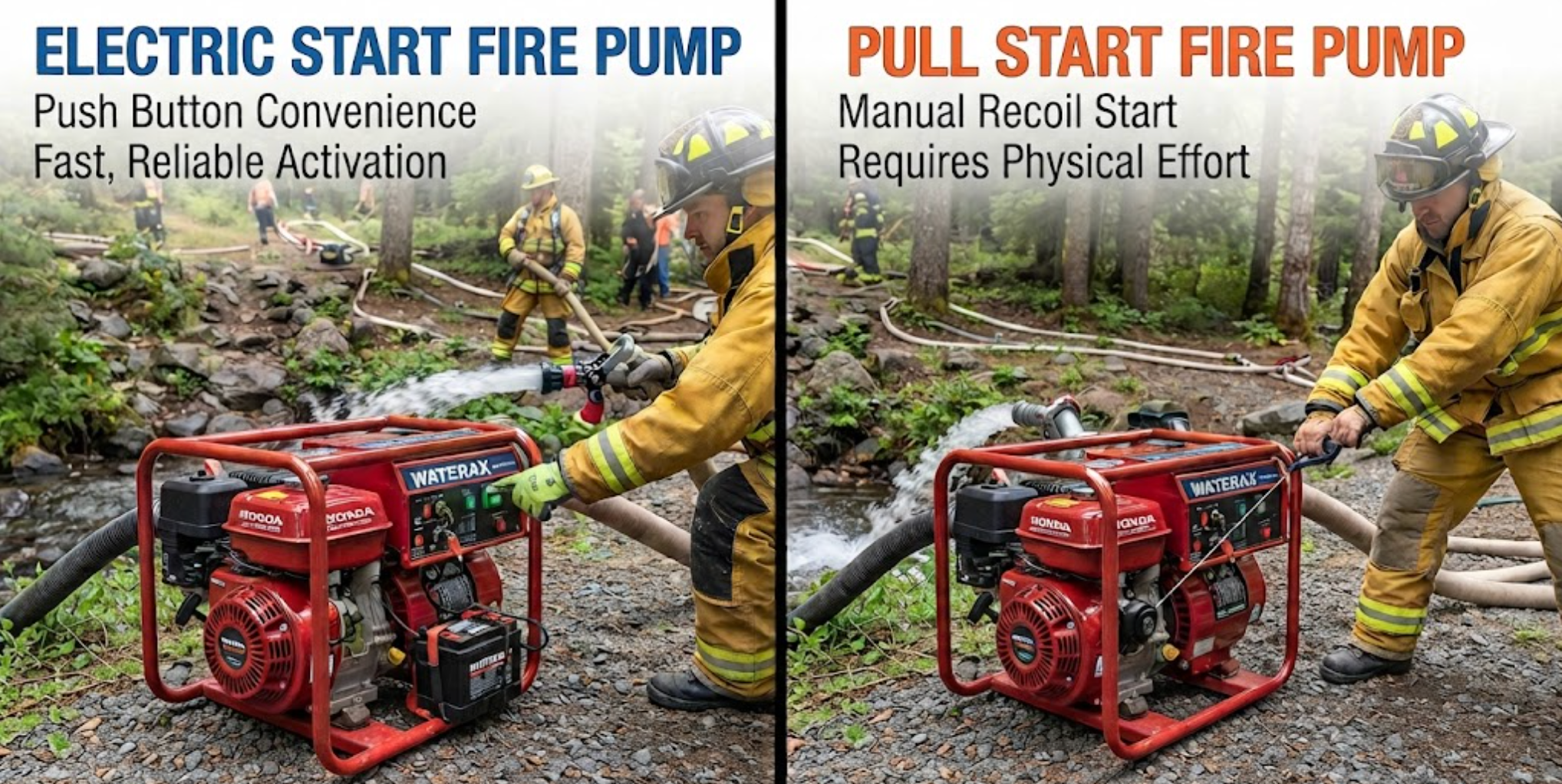
Electric Start vs. Pull Start Portable Fire Pumps: Which Should You Buy?
Electric start and pull start are the two ways a gas-powered portable fire pump's engine gets started. Electric start uses a battery and starter mo...
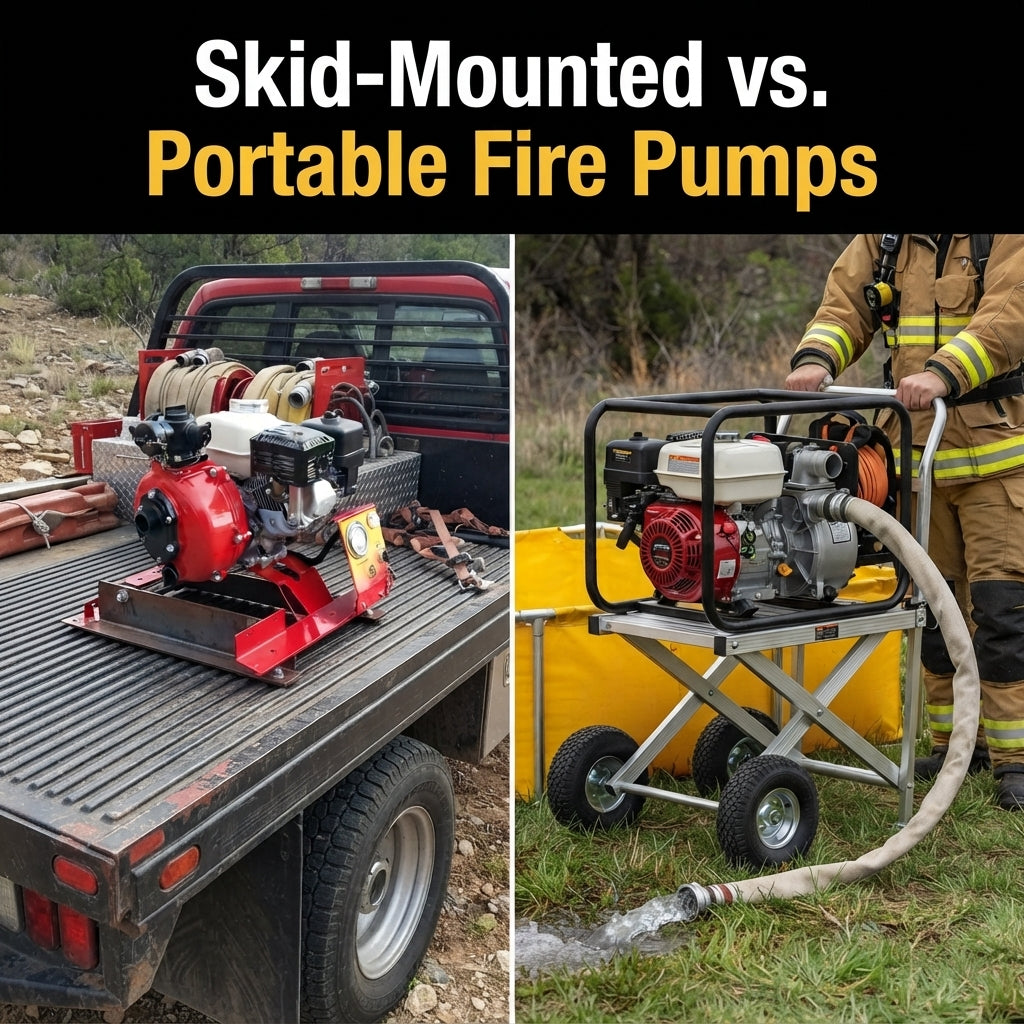
Skid-Mounted vs. Portable Fire Pumps: What's the Difference?
A portable fire pump ships on a carry-style frame that firefighters can lift and move by hand. A skid-mounted fire pump bolts or straps into a fixe...
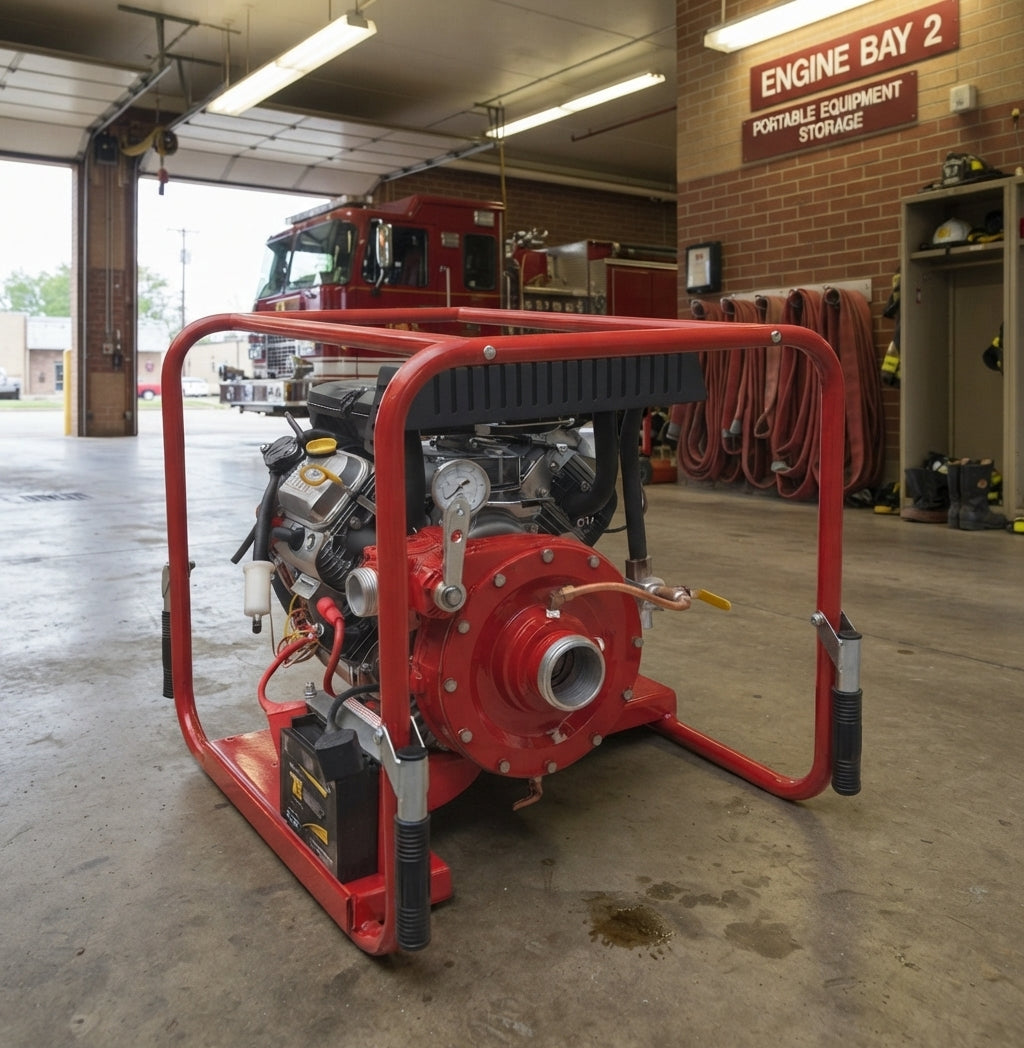
Portable Fire Pump Maintenance and Off-Season Storage Checklist
Portable fire pump maintenance is the routine of post-use cleaning, periodic function testing, and off-season storage prep that keeps a gas or dies...
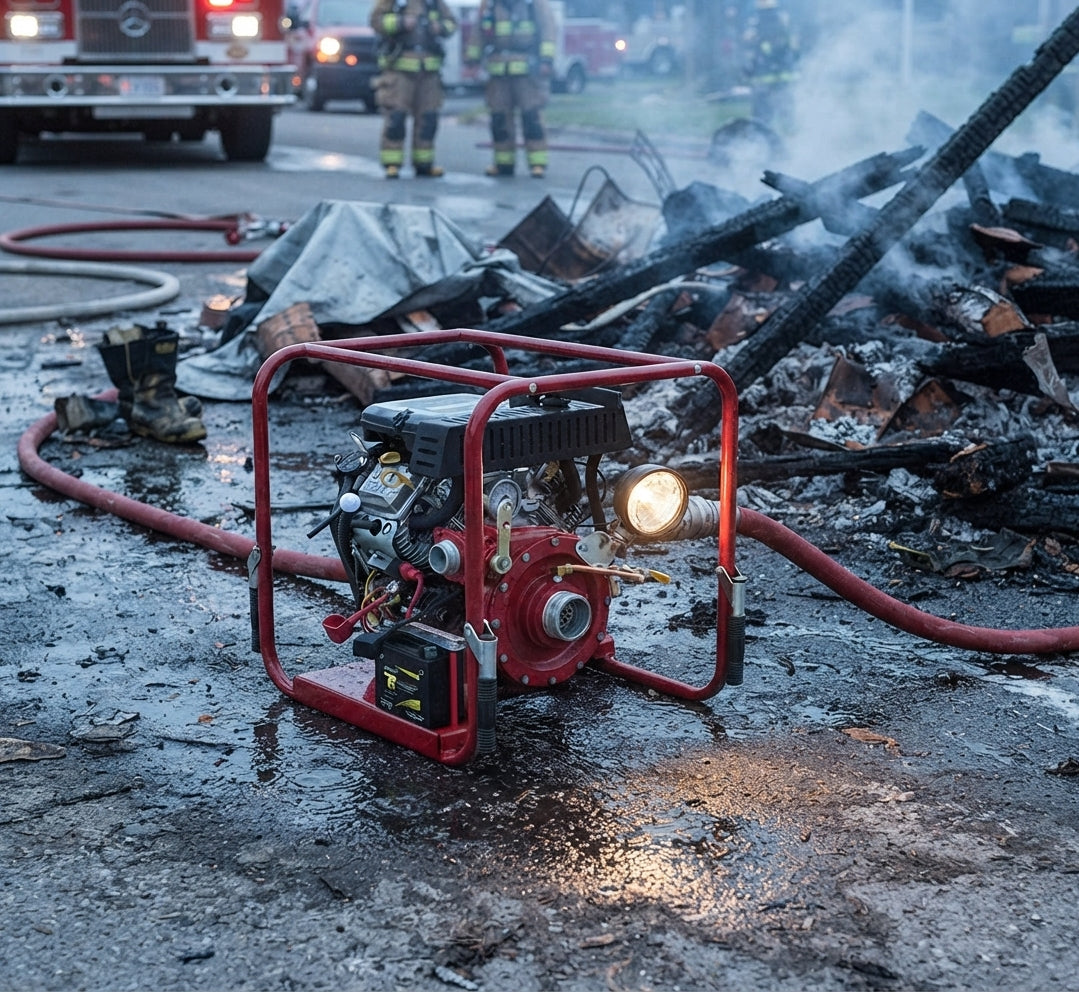
How to Choose a Portable Fire Pump: A Buying Guide
A portable fire pump is a self-contained, engine-driven pump a firefighter can carry to a water source and use to draft, transfer, or pressurize wa...
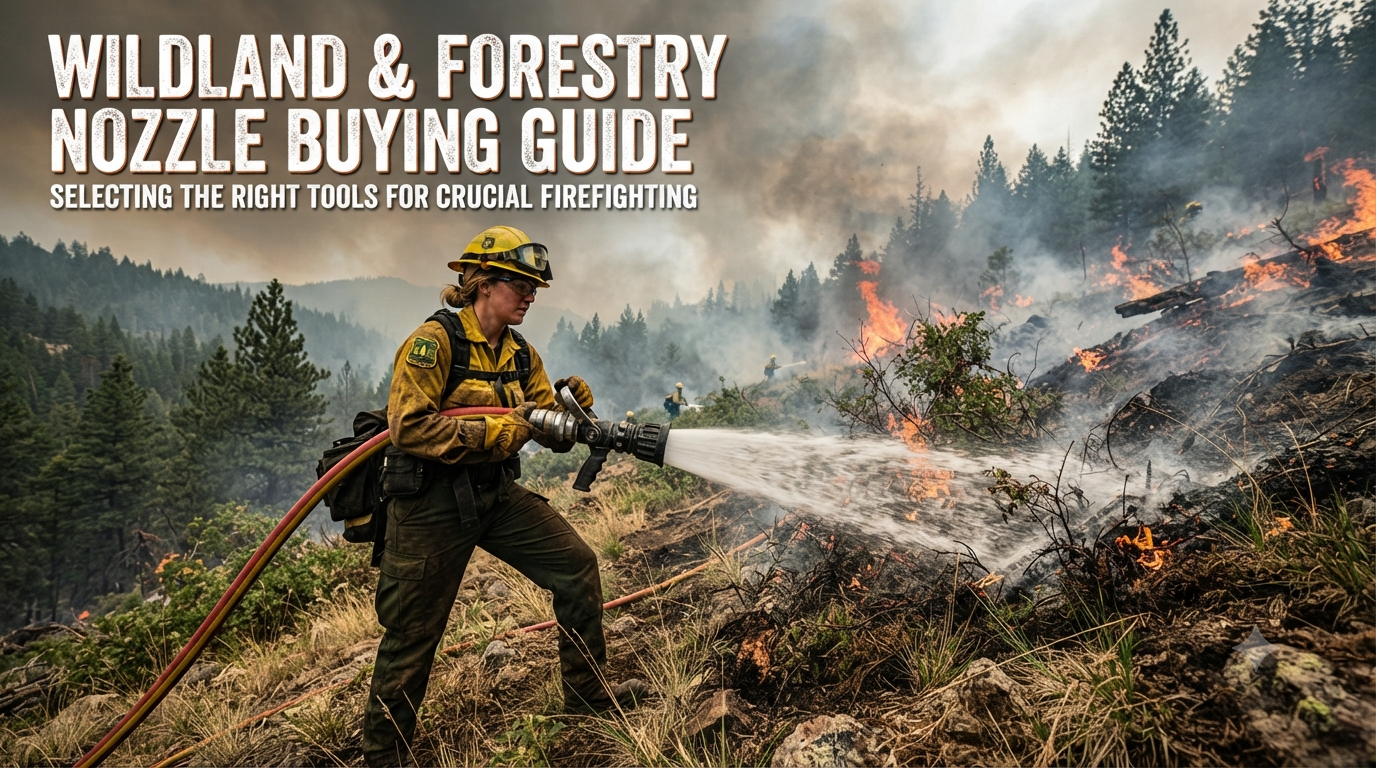
Wildland and Forestry Nozzle Buying Guide
Wildland and forestry nozzles are built around a different water math than structural firefighting equipment. Flows run lower, hose is smaller in d...
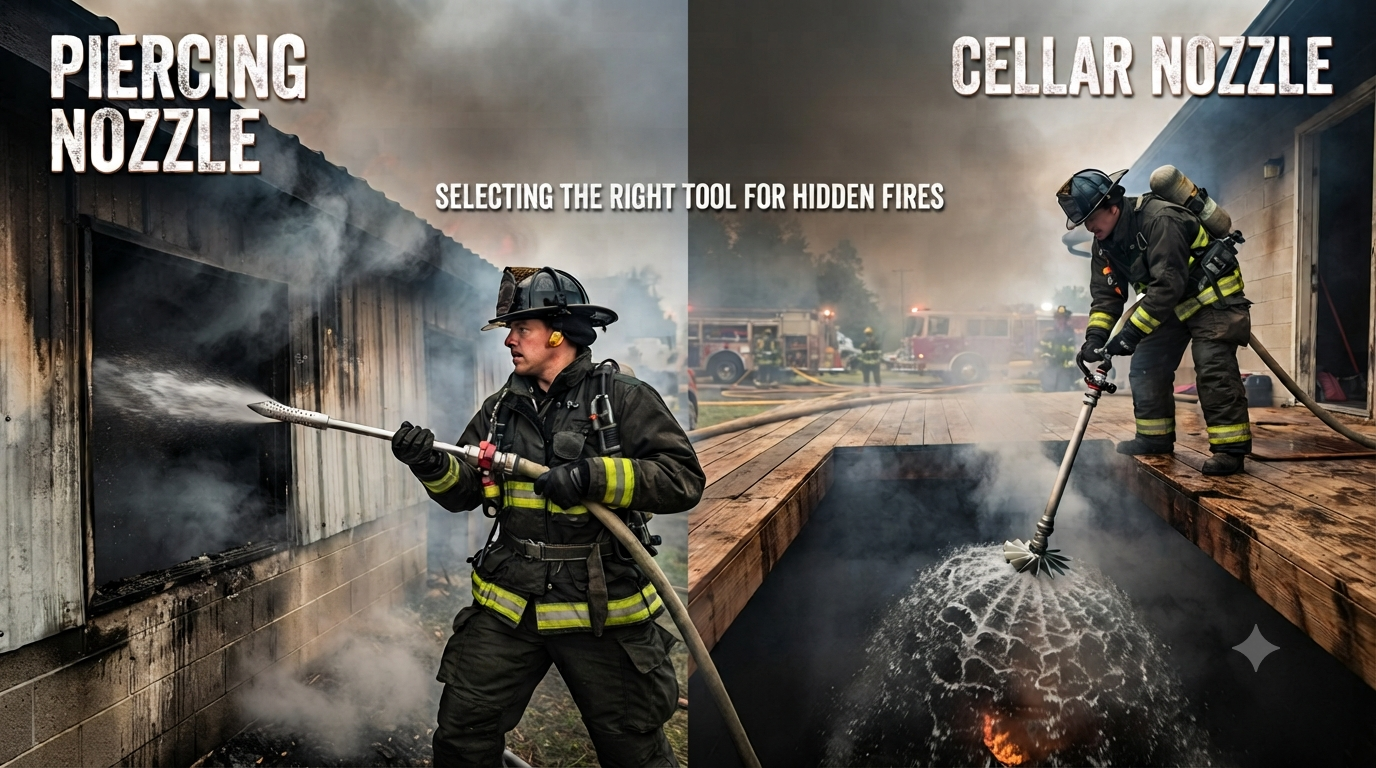
Piercing Nozzle vs. Cellar Nozzle: What's the Difference
A piercing nozzle and a cellar nozzle both exist to get water into a fire a hoseline can't reach directly, but they solve two different access prob...
Outfitting a New Engine Company: Nozzles, Hose, and Adapters Checklist
Outfitting a new engine company means more than filling compartments with whatever's in the budget. Every nozzle, hose length, and adapter has to w...